Transitioning from the cozy environment of home to the structured setting of a classroom can be a big step for young children. For some, it’s an exciting adventure; for others, it’s a challenge filled with hesitation, tears, and reluctance. Many parents and educators at leading preschool in Lucknow and play schools in Lucknow have noticed this recurring pattern—children who are bright, curious, and talkative at home often become reserved and quiet in school.
This emotional and behavioral shift is natural. But helping children bridge the gap between home comfort and classroom confidence is crucial for their long-term learning journey. Let’s explore how early childhood educators and parents can work together to support reluctant learners, ensuring they grow from shy observers into active, joyful participants in their learning journey.
Understanding Reluctant Learners
A “reluctant learner” isn’t necessarily a child who doesn’t want to learn; rather, they might need more time, reassurance, or personalized support to adapt to new surroundings. Factors that contribute to reluctance often include:
Separation anxiety: Leaving parents for the first time can make a child feel insecure.
Unfamiliar environment: A new classroom, new faces, and new routines can be overwhelming.
Temperament differences: Some children are naturally introverted or cautious.
Previous experiences: If a child had negative social experiences, it may take longer to trust peers and teachers.
Educators at the best preschool in Pune and established play schools in Pune often stress that understanding the root of a child’s hesitation is the first step toward helping them adjust.
Creating a Safe Emotional Transition
The first days of school set the tone for a child’s emotional comfort. Preschools that emphasize emotional safety often see faster adjustment and better engagement. Teachers in progressive preschools in Lucknow understand that before any academic learning can happen, children must feel safe, seen, and valued.
Here’s how emotional transitions can be supported:
Gradual Familiarization:
Some preschools introduce “settling-in” programs—shortened hours or parent-accompanied sessions during the first week. This helps children gently acclimate to the new space without feeling abandoned.Comfort Corners:
A small reading nook or sensory area in classrooms provides children with a quiet zone when they feel overwhelmed. These spaces signal safety and autonomy.Predictable Routines:
Consistent daily routines—morning greetings, circle time, snack breaks—give children a sense of control and predictability, which helps reduce anxiety.Parental Involvement:
Teachers can invite parents to share home routines, favorite songs, or comfort toys that help children feel connected even when away from home.
Role of Teachers in Building Confidence
Teachers play a pivotal role in shaping a child’s confidence. The most trusted play school in Lucknow train their educators to go beyond teaching; they nurture, listen, and model positive communication.
Here are some proven classroom strategies:
Positive Reinforcement:
Praising small achievements—whether it’s sharing toys or answering a question—encourages participation and self-esteem.Personalized Engagement:
Teachers who learn about a child’s interests—such as cars, animals, or colors—can use them to start conversations or activities that draw the child in.Buddy Systems:
Pairing shy learners with friendly or empathetic peers creates a sense of belonging and promotes social learning.Storytelling and Role Play:
Through imaginative play, children can express feelings they may not have words for yet. Role play scenarios also build empathy and cooperation skills.
The Role of Parents: Extending Learning from Home
Parents are a child’s first teachers. The connection between home and school works best when both sides communicate openly and consistently. The finest preschools in Pune encourage parents to continue confidence-building at home through play and conversation.
Here’s how families can help:
Talk About School Positively:
Discuss what your child will do, whom they will meet, and what they might enjoy. Avoid projecting your own anxiety; children pick up on emotional cues.Establish Routines at Home:
Predictability makes transitions smoother. Set consistent times for waking up, meals, and bedtime, mirroring school structure.Play School at Home:
Pretend play can demystify the school setting. Role-playing as teacher and student helps children visualize and feel excited about real school experiences.Encourage Independence:
Let children manage small tasks like putting away toys or packing their bags. Independence nurtures responsibility and confidence.Celebrate Small Steps:
Whether it’s a tear-free goodbye or sharing something learned in class, celebrating progress reinforces that school is a safe and joyful place.
How Environment Shapes Learning Confidence
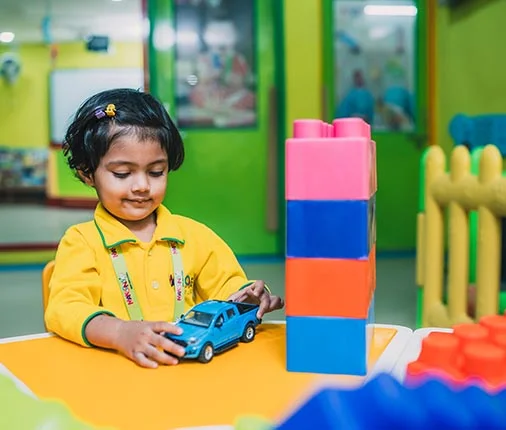
Physical spaces deeply affect how children engage and learn. Bright, spacious, and sensory-rich classrooms often reduce hesitation and spark curiosity. The best preschool in Lucknow designs environments that feel like an extension of home—comfortable yet stimulating.
Elements that encourage classroom confidence include:
Warm colors and natural light.
Interactive learning materials within easy reach.
Visual displays of children’s artwork, reinforcing pride and ownership.
Soft furnishings that make the room feel welcoming rather than institutional.
In cities like Pune, innovative play school in Pune are incorporating Montessori-inspired setups that prioritize self-paced exploration, helping even the most reluctant learners find their rhythm.
Encouraging Peer Connections
One of the most beautiful transformations happens when a hesitant child begins forming friendships. Social belonging fuels motivation to attend and participate in class. Teachers can encourage this by:
Organizing group activities that require teamwork but not pressure.
Encouraging turn-taking games where every child gets noticed.
Celebrating collaboration through small group performances or projects.
Friendships act as emotional anchors, making school feel less intimidating and more enjoyable.
The Long-Term Benefits of Early Confidence
Building classroom confidence in preschool isn’t just about making children comfortable—it lays the foundation for lifelong learning. A child who learns to adapt, ask questions, and express themselves early is more likely to:
Engage deeply in academic tasks.
Build stronger communication skills.
Develop emotional resilience.
Enjoy learning as a process, not just a goal.
That’s why institutions like Makoons and other leading preschools in Pune and play schools in Lucknow focus equally on emotional growth and academic readiness.
Bridging the Gap: A Joint Mission
The journey from home comfort to classroom confidence is a shared responsibility between parents, teachers, and schools. The most successful transitions happen when everyone works in harmony to support the child’s emotional world.
For a shy or hesitant child, confidence doesn’t bloom overnight. It grows slowly—through empathy, consistent care, and positive experiences. Each story shared, each game played, and each gentle word of encouragement builds a bridge from fear to freedom.
Final Thoughts
The shift from the familiar comforts of home to the structured rhythm of school is one of the most significant transitions in a child’s early life. But with patience, understanding, and the right environment, even the most reluctant learners can flourish.
Whether it’s a nurturing preschool in Lucknow or an innovative play school in Pune, what truly matters is the philosophy of connection—where children feel safe to explore, express, and evolve. When emotional security meets inspiring education, confidence naturally follows.
Because every confident learner starts with a single brave step—and a caring adult to walk beside them.
Read also: Best School in India for Nursery Admission
Zero Royalty Franchise Business

Write a comment ...